

This Post May Contain Affiliate Links. Please Read Our Disclosure Policy.





The Whole30 diet doesn’t have to be complicated with this easy-to-follow breakdown of the dos and don’ts — including all the latest rule changes. Whether you’re doing the original Whole30 or curious about the new plant-based version, this guide makes it simple to get started.

What is Whole30?
Whole30 is more than just a diet — it’s a completely transformative way of resetting your relationship with food and discovering which foods might be contributing to chronic health problems. You eat three meals, enjoy snacks, and don’t count calories. It’s 30 days of real, whole food that helps you identify what makes your body feel its absolute best.
Whole30 also encourages you to focus on thinking about food in a healthy way. Instead of treating yourself with food, you will find that you are practicing self care in other ways. Instead of focusing on weight or calories, your goal is to feel healthy. While weight loss is definitely a common side effect of a Whole30 diet, it’s not its main purpose.
The program has been around since 2009, but it’s been evolving ever since. The most recent updates — rolled out in 2024 — revised several of the original elimination rules based on updated science. And since 2022, there’s now an entirely separate Plant-Based Whole30 program for vegans and vegetarians. More on that below!
Whole30 Rules (The 2-Minute Version)
Here’s the quick version of the Original Whole30 rules. We’ll go deeper in just a minute.
- No added sugar, real or artificial.
- No alcohol, even in cooking.
- No grains.
- No legumes.
- No dairy.
- No baked goods, junk food, or treats — even “compliant” versions.
- No weighing or measuring yourself.
What Changed in 2024?
If you’ve done a Whole30 before, some things look a little different now. The Whole30 team reevaluated the science behind several previously eliminated ingredients and updated the rules to more accurately reflect the current research. Here’s what’s new:
Seed oils are now allowed. After reviewing the current scientific findings on seed oils and inflammation, the Whole30 found no credible evidence that increased intake of polyunsaturated fats from seed oils leads to increased inflammation or heart disease risk. As a result, all cooking oils are now permitted, regardless of their source. That means canola, soybean, rice bran, sunflower, and safflower oils are all compliant.
Carrageenan is no longer eliminated. After reevaluating current research on food-grade carrageenan, the Whole30 determined there is insufficient evidence to justify continuing to eliminate it — with a few caveats. Always read your labels and check the Whole30 website for specifics.
Sulfites are no longer eliminated. A review of the current scientific findings on sulfites found a lack of recent, quality research on any meaningful impact on the general population, and insufficient evidence to justify excluding them from the program when consumed in recommended amounts.
The Pancake Rule got an update. 100% fruit popsicles are now allowed, and grain-free “granola” and “cereal” made with nuts and seeds are welcome on your Whole30 — as long as all the ingredients are compliant, of course. The core rule still stands: no baked goods, alternative-flour pasta, or anything designed to recreate a treat.
What Can I Eat on the Original Whole30? What Can I Not Eat?
Compliant foods include:
- Meat, poultry, and seafood
- Eggs
- Vegetables (including white and sweet potatoes)
- Fruit (in moderation)
- Natural fats and oils — including all cooking oils
- Ghee (the one dairy exception)
- Coffee and tea (unsweetened)
- Most vinegars and alcohol-based botanical extracts like vanilla
- Coconut aminos
- Green beans, sugar snap peas, and snow peas
- Grain-free, nut-and-seed granolas and cereals
- 100% fruit popsicles and smoothies
Non-compliant foods include:
- Added sugars of any kind — including maple syrup, honey, coconut sugar, monk fruit, and stevia
- Alcohol in any form, including in cooking
- Grains — wheat, oats, rice, corn, quinoa, and all pseudo-grains
- Legumes — beans, lentils, chickpeas, peanuts, and all forms of soy
- Dairy — milk, cheese, yogurt, cream, and sour cream (ghee is the exception)
- Baked goods, treats, and junk food — even if made with compliant ingredients
- Commercially prepared chips (potato, tortilla, plantain, cassava, taro)
- Deep-fried French fries
Introducing the Plant-Based Whole30
Here’s the exciting news for vegetarians and vegans: the Plant-Based Whole30 launched in March 2022 after two years in development, and it’s a 100% plant-based version of the original 30-day reset designed for vegans, vegetarians, and anyone curious about adopting a plant-based diet.
The Original and Plant-Based Whole30 programs differ only in their protein and fat sources. The Plant-Based Whole30 uses beans, lentils, peas, soy, compatible protein powders, nuts, and seeds to ensure adequate protein, and includes only plant-based fat sources.
The big difference? Legumes, lentils, peas, and soy are not eliminated on the Plant-Based Whole30 — they’re encouraged to ensure adequate protein intake. Minimally processed soy like edamame, tofu, tempeh, miso, and natto are all allowed. Rice found in fermented soy products like miso and tempeh is also permitted, since it’s often part of the fermentation and processing of those traditional foods.
Compatible plant-based protein powders — pea, hemp, pumpkin, or chia — are also allowed when needed to meet protein requirements.
What’s still eliminated on the Plant-Based Whole30:
- Added sugars (real or artificial)
- Alcohol
- All grains
- All animal products — meat, seafood, eggs, dairy, and animal-based fats
- Baked goods, treats, and junk food (the Pancake Rule still applies)
Other Whole30 Rules Worth Knowing
- Don’t recreate junk food, baked items, or treats. It’s incredibly tempting to try to make Whole30 compliant versions of all the food we miss, but it is recommended to stay away as so many of us having issues overdoing it when it comes to junk food. And let’s be real, sometimes having a Whole30 version of something can mean the difference between staying on-track and completely falling off the wagon. While there are some recreated items that are considered okay (grain-free granola or cereal made with nuts and seeds, and 100% fruit popsicles), the following are no-goes: bread-like products (bread, tortillas, crepes, pizza crust, etc.), breakfast treats like pancakes or waffles, baked treats (cookies, cake, brownies, cupcakes), and junk food like chips or ice cream.
- Stay AWAY from the scale. It’s so, so tempting to see how you’re doing after being on the Whole30 diet a few weeks (or days… or hours…), but, remember, your health is so much more than the number on the scale.Whole30 is not just about your weight; it’s about having a healthy relationship with your food and taking care of both your body and mind. Weighing yourself midway through the process can discourage you if you’re not seeing the numerical results you want or expected. So put your scale in the closet, the car, or have your kids hide it. Focus on you, not a number.
Recommendations (But Not Rules)
These aren’t mandatory, but they’ll help you get the most out of your Whole30:
- No snacking. Whole30 recommends three big meals with no snacks except pre- and post-workout, but that can be hard, especially if you’re a grazer or used to eating a bunch of small meals during the day. While eating mindfully is ultimately the goal, having a snack isn’t going to make or break you. (If you’re pregnant, nursing, or a kid, snacking is completely okay!)
- Eat organic, grass-fed, and homemade. I know this isn’t completely realistic for everyone for every meal, but eating good, whole foods will not only nourish your body, but will also nourish your soul. If it’s available to you and within your means, buying local and naturally raised, organic, and sustainable items are good for you and good for the planet. Make homemade food when you can, but it’s okay to not cook 100% of the time.
- Limit your fruit intake. Fruit can be a BIG help when fighting sugar cravings, but Whole30 recommends 2 servings of fruit a day, eaten with meals, and not as a dessert.

Our Whole30 marry me chicken viral recipe is a huge reader fave, some even saying it tastes like the original, and it’s completely satisfying to eat!
What to Expect on Whole30
There is a really useful timeline on the Whole30 website that outlines a pretty accurate schedule of the ups and downs you can expect on Whole30 (especially your first cycle). Fair warning: the first week can be rough. Most people hit a wall somewhere between days 8 and 11 — cravings, fatigue, irritability, the works. Push through it. By weeks three and four, most people describe feeling more energetic, sleeping better, and thinking more clearly. You can get there and the Whole30 community is super supportive!
Being aware of the highs and lows can help you succeed. Anticipating the tough days can give you plenty of time to come up with a game plan and coping mechanisms to power through them. This is where having a set meal plan can be extremely helpful; not having to think about what your next meal makes staying on-track a no-brainer.
Delicious Whole30 Compliance
If you’re thinking, “I can’t do this, it’s too tough, do not take away my morning coffee with creamer,” I totally understand! But trust me when I say it is all worth it. And, fortunately, there are so many great resources and compliant foods out there! Check out my30-Day Whole30 meal plan with free printable shopping lists and my Whole30 shopping list for tons of great ideas.
More Delicious Whole30 Recipes To Get You Started
- Healthy Zuppa Toscana
- BBQ Chicken Bowls with Sweet Potatoes and Coleslaw
- Healthy Lettuce Wraps
- White Chicken Chili
- Burgers – Burger Joint Style
- Instant Pot Chicken Tortilla-Less Soup
- Swedish Meatballs with Gravy
- Breakfast Casserole with Sausage and Eggs
- Chicken and Broccoli Casserole with Cauliflower Rice
- Easy Salisbury Steak with Mushroom Gravy
- Southern Fried Chicken Salad
- Chicken Lo Mein
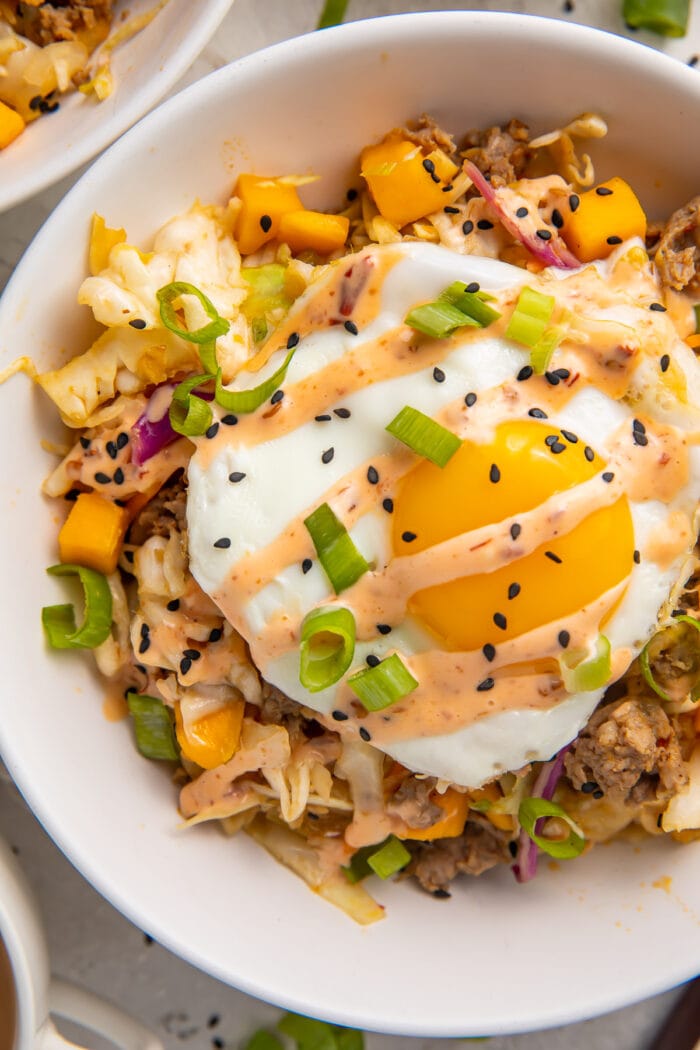
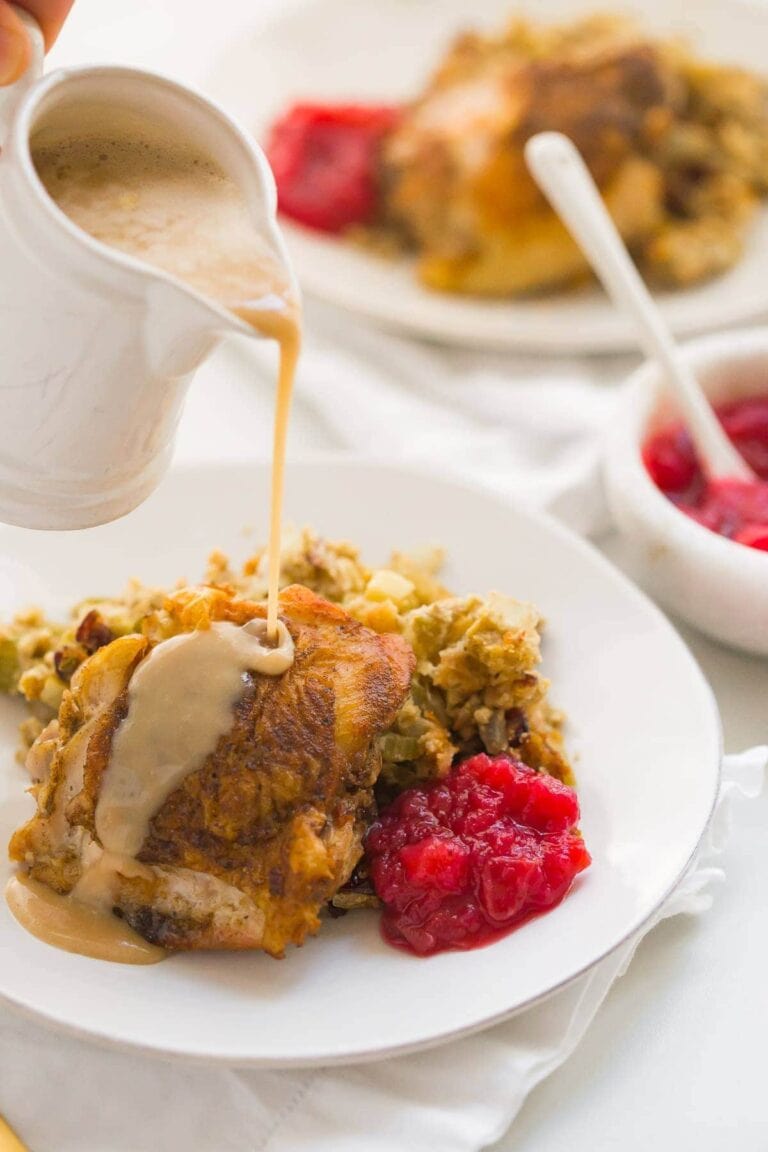
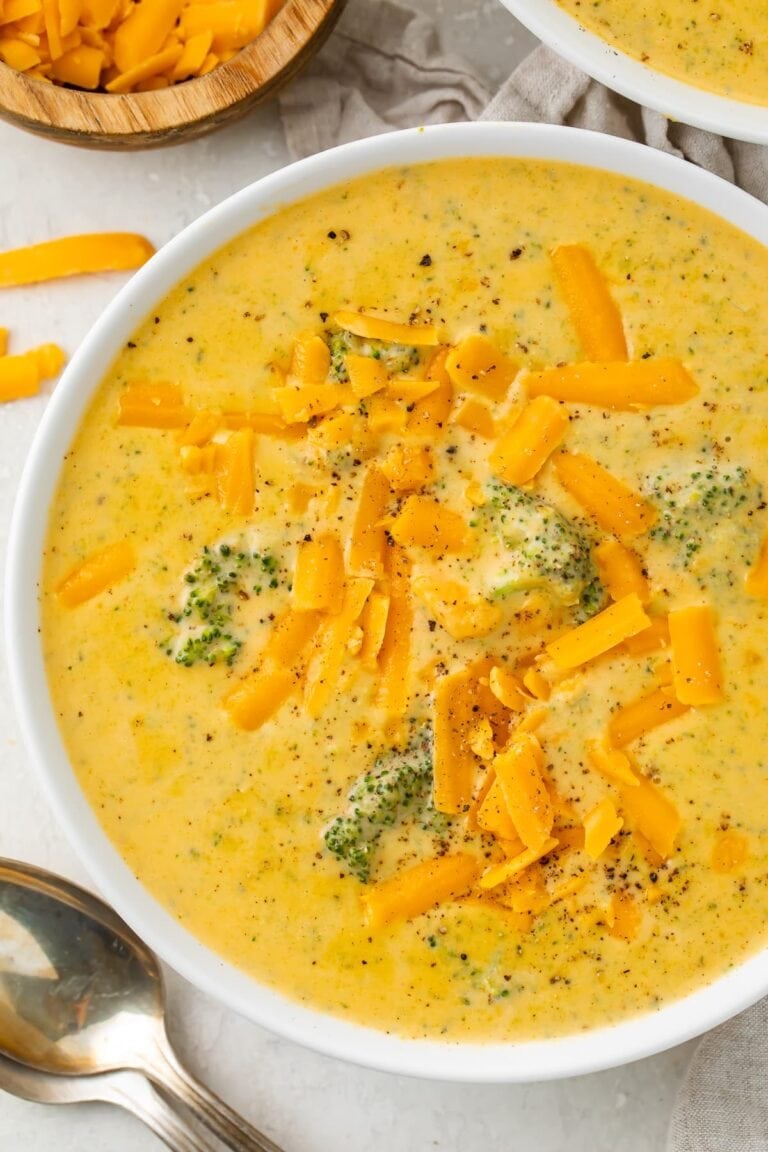
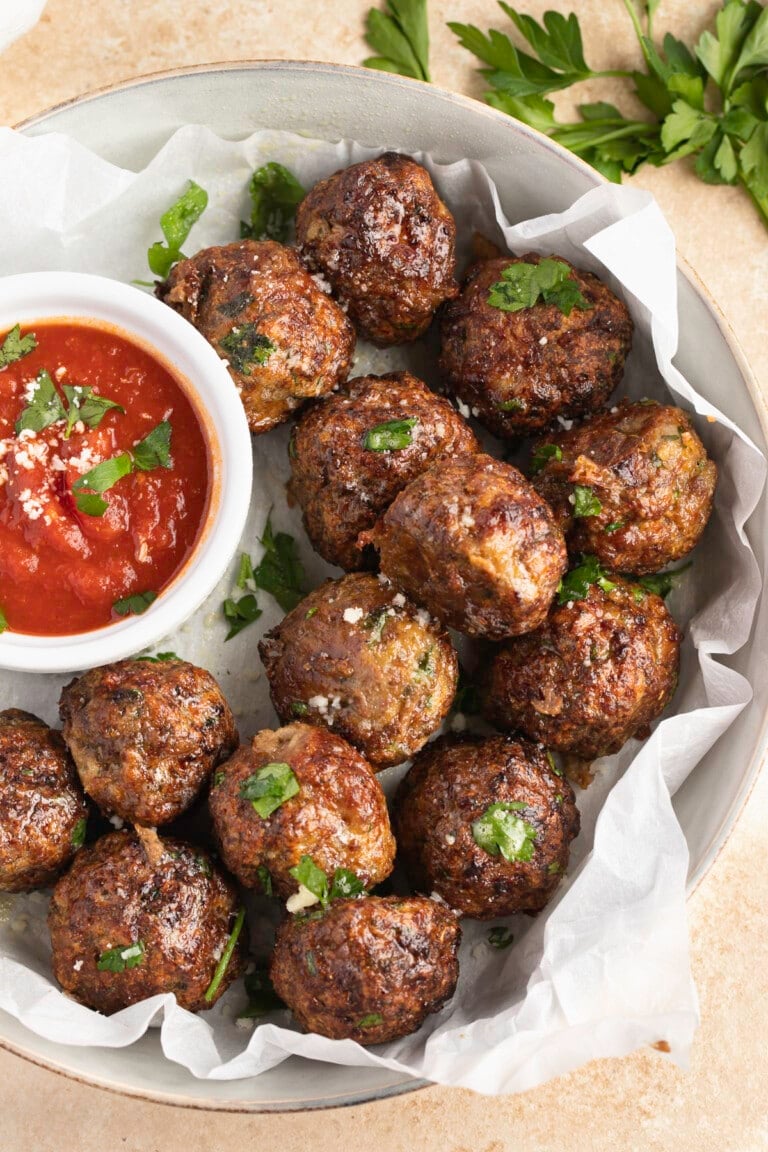
Discover all the Whole30 recipes that include breakfast, lunch, dinner, and condiments!













This is my first time to try eating Whole 30 Foods. I have Parkinson’s Disease and can’t walk well so exercising has become difficult. I’m excited to try this program.
We hope you have a great Whole30 round! Be sure to let us know if you try any of our Whole30 recipes! 😊
Why no dairy? Could you substitute with unsweetened almond milk? Can you have nuts?
Hi Lauren! Dairy is one of the most common food intolerances (lactose, casein, whey). For some people, it contributes to bloating, skin issues, or low-grade inflammation.The program is designed as a 30-day elimination, so even potentially healthy foods are removed to see how your body responds when you reintroduce them. Yes, you can use a Whole30-approved almond milk! And almonds, cashews, walnuts, pecans, etc. are all fine. I hope this helps!
Having all kinds of annoying health issues. One physician said I had auto immune disorder & wanted me to take immunosuppressants. I didn’t want to. Talking with another provider, she suggested I take a look at the whole30 program. So that is what I want to do for 30 days, starting in July.
We hope you have a great Whole30 round! 😊
I understand the creamer being a no… is black coffee okay when on the whole 30?
Yes, you can have black coffee on Whole30.
Looking through the compliant items, it seems this would be pretty difficult for a vegetarian, no beans, etc. Am I correct in this assumption?
Time to update this for the “NEW Whole30 Diet.”
Items that were not originally compliant are now compliant.
Also there is now a Plant-Based Whole30 Diet for vegetarians.
Hi Troy! This has page has now been updated. I hope it helps! 😊
What can you eat as “dessert” on this diet?
Technically you could eat fresh fruit as a “dessert”, but treating anything like a “dessert” isn’t really in line with the rules and goals of Whole30. It’s all about reframing your approach and mindset around food. If you’re looking for a dessert option because you feel like you need something sweet after dinner, then doing a strict Whole30 round might be more beneficial to you. If you’re doing a more relaxed Whole30, though, you could have compliant fruit, dates, nuts, nut butter, things like that.
I hope that helps!
Is there fruits that you should have on the whole 30
All fruits are allowed on Whole30!