
This Post May Contain Affiliate Links. Please Read Our Disclosure Policy.
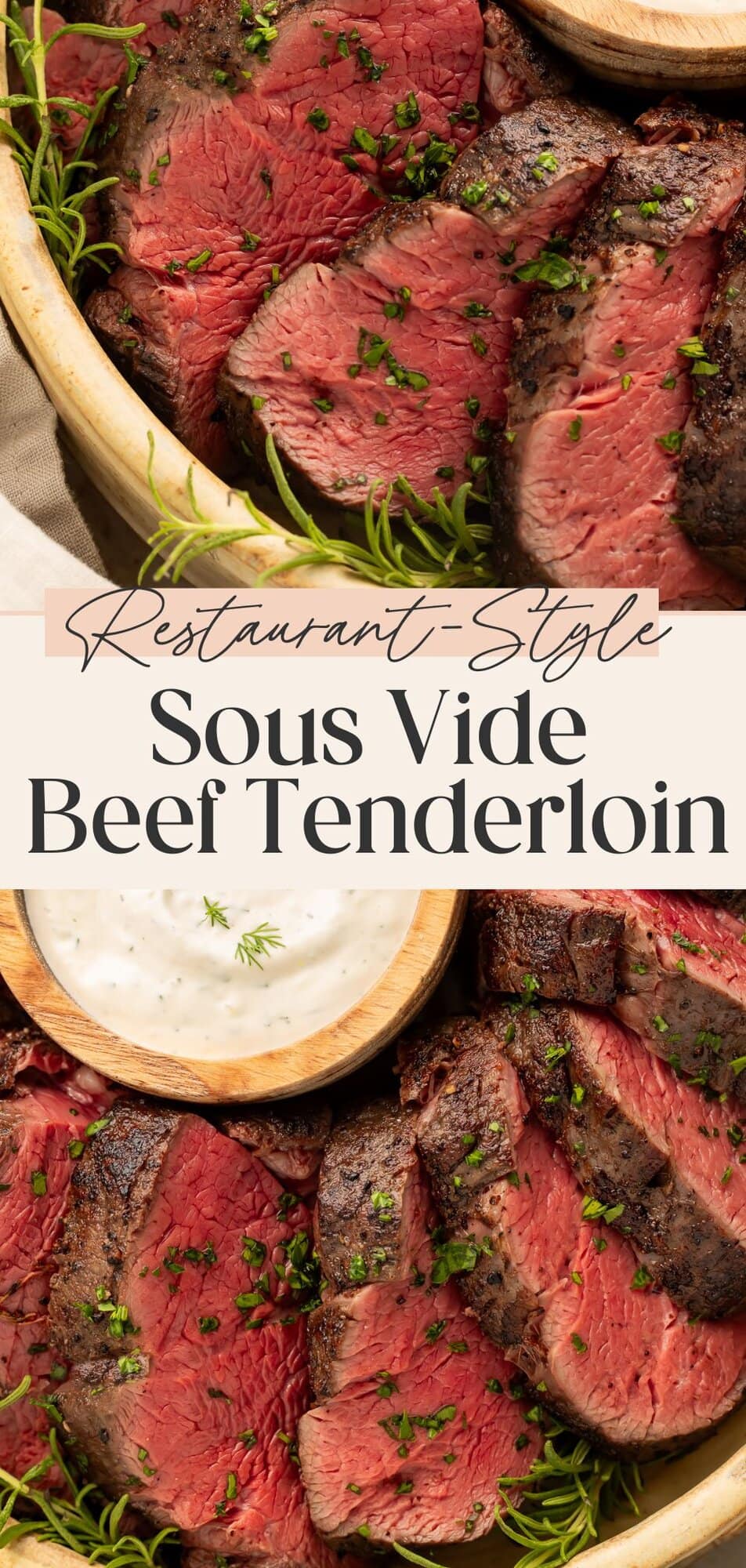
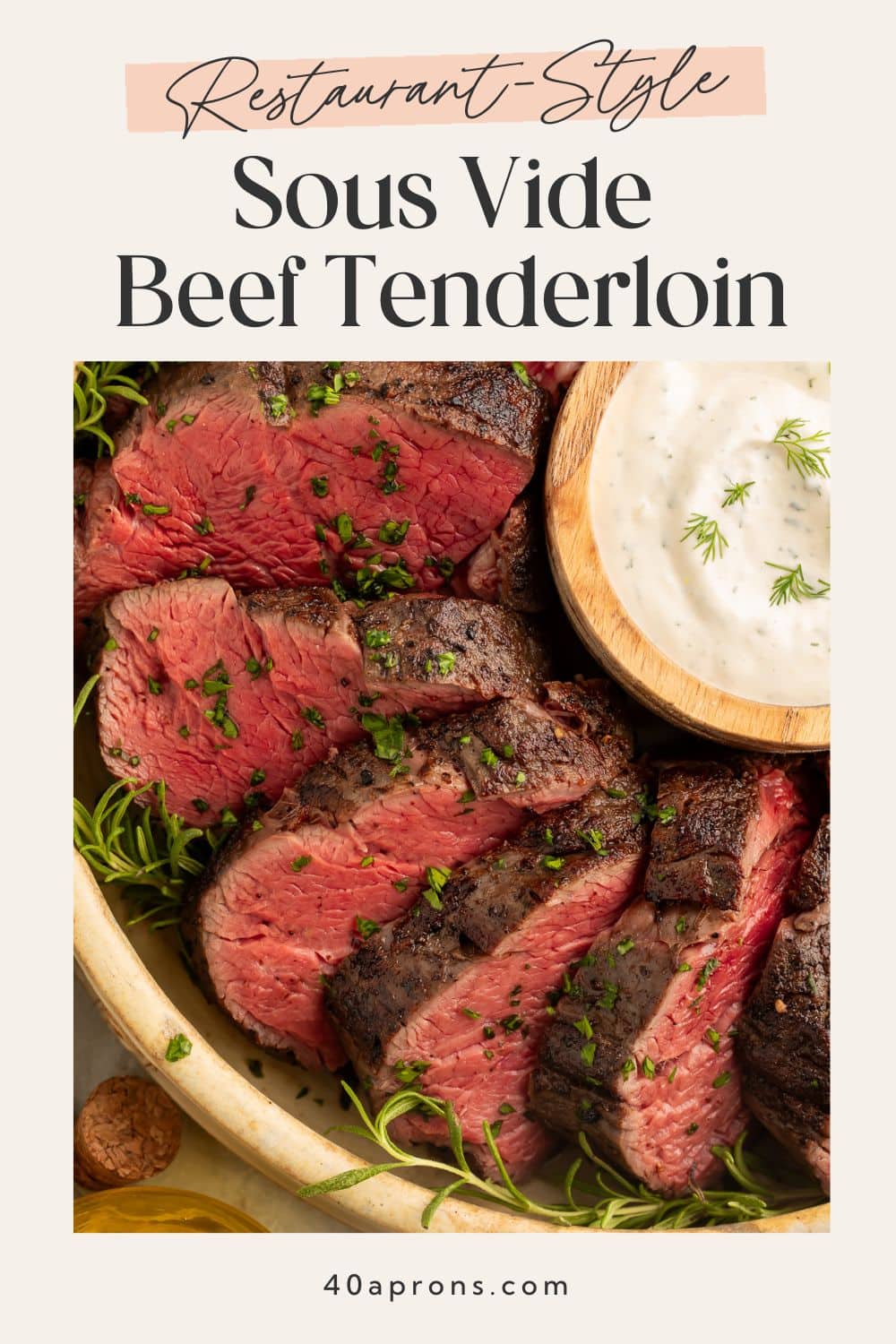
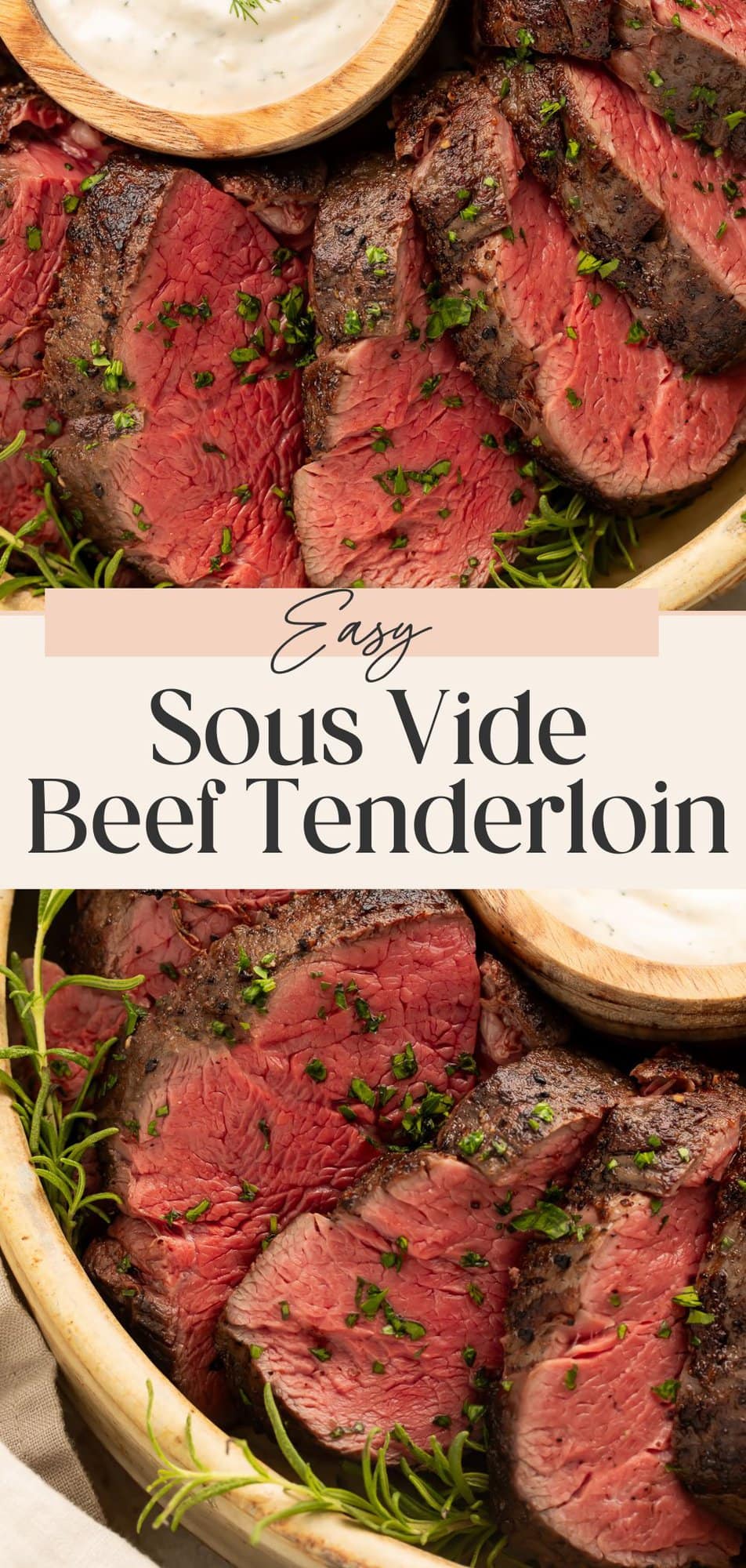
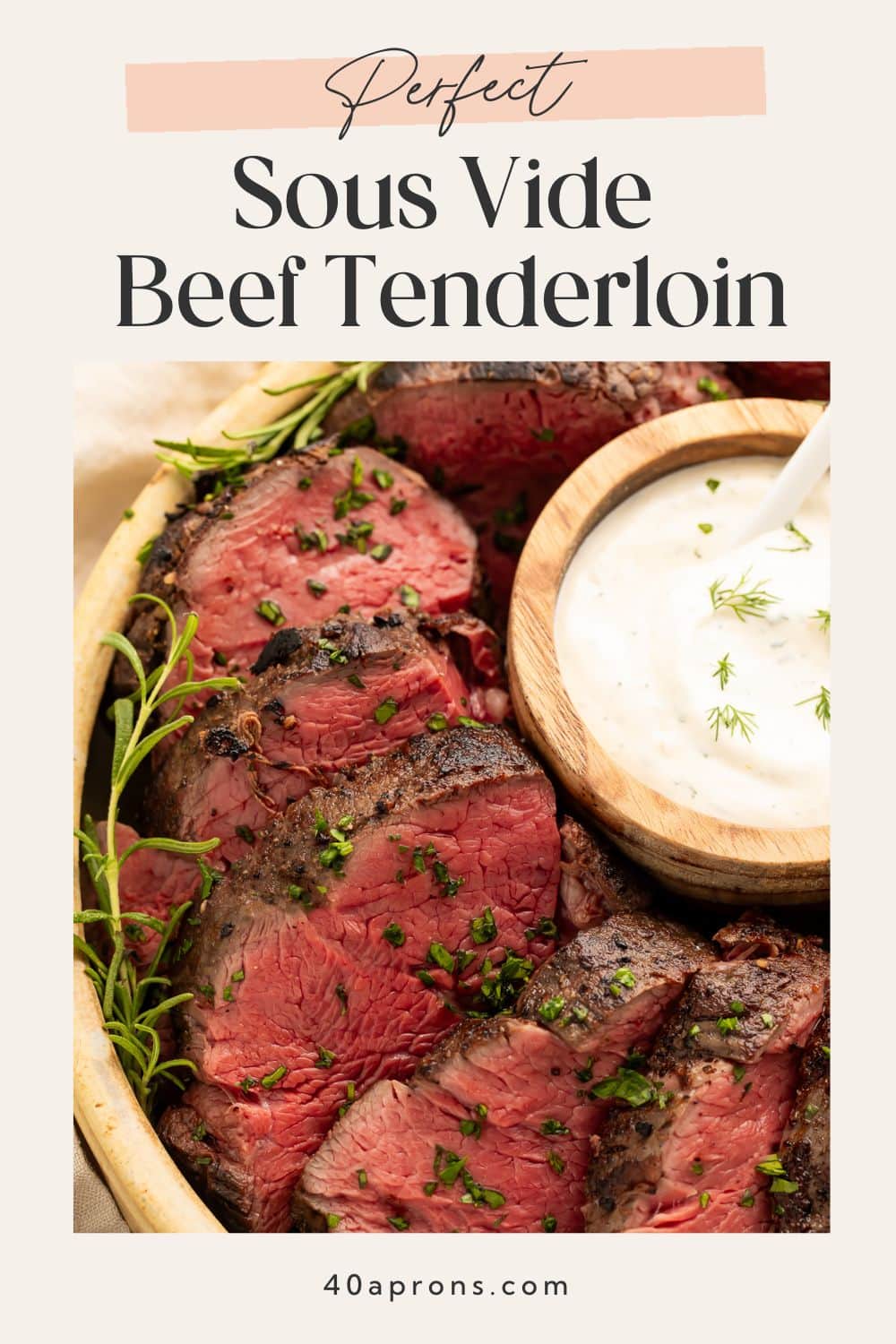
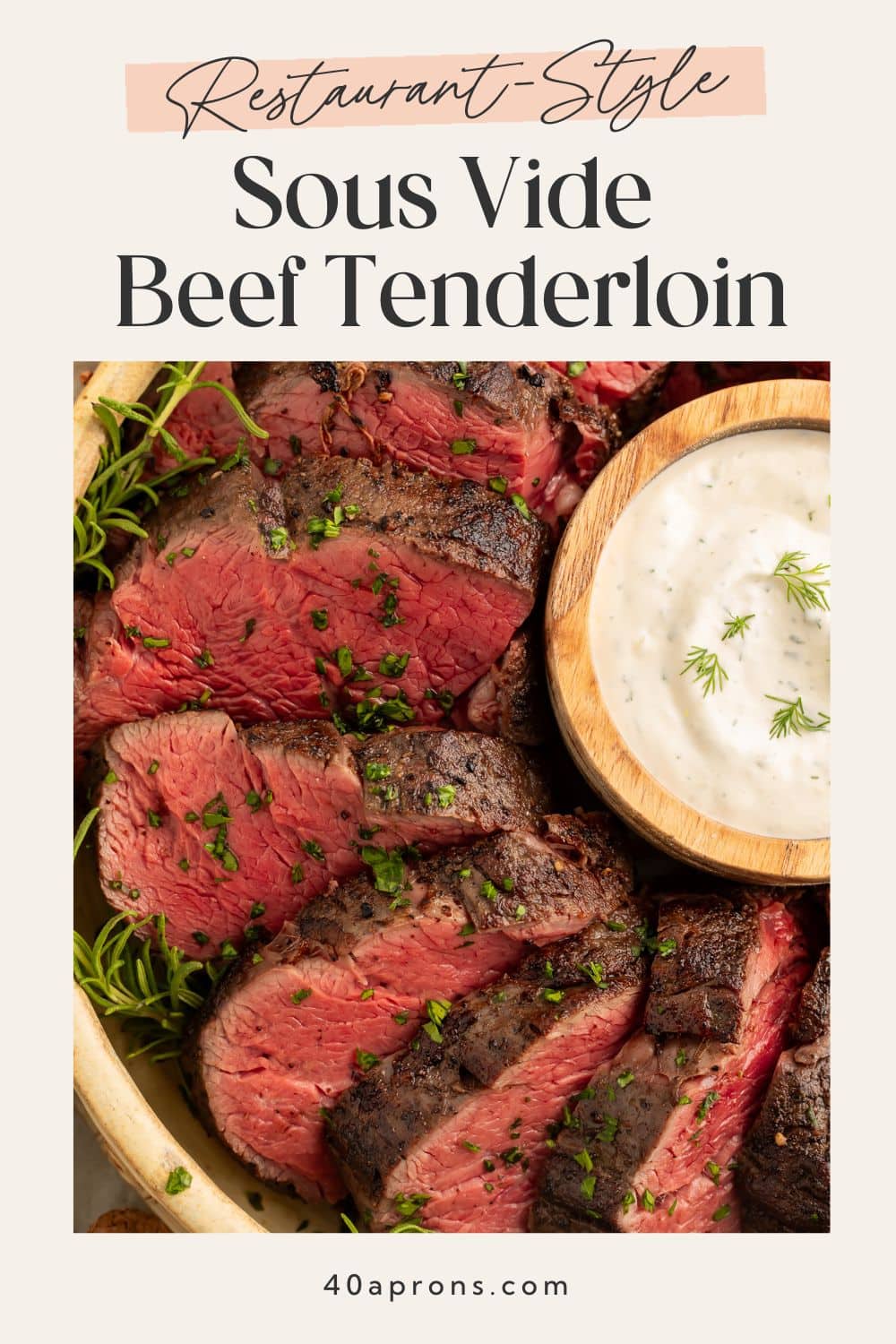
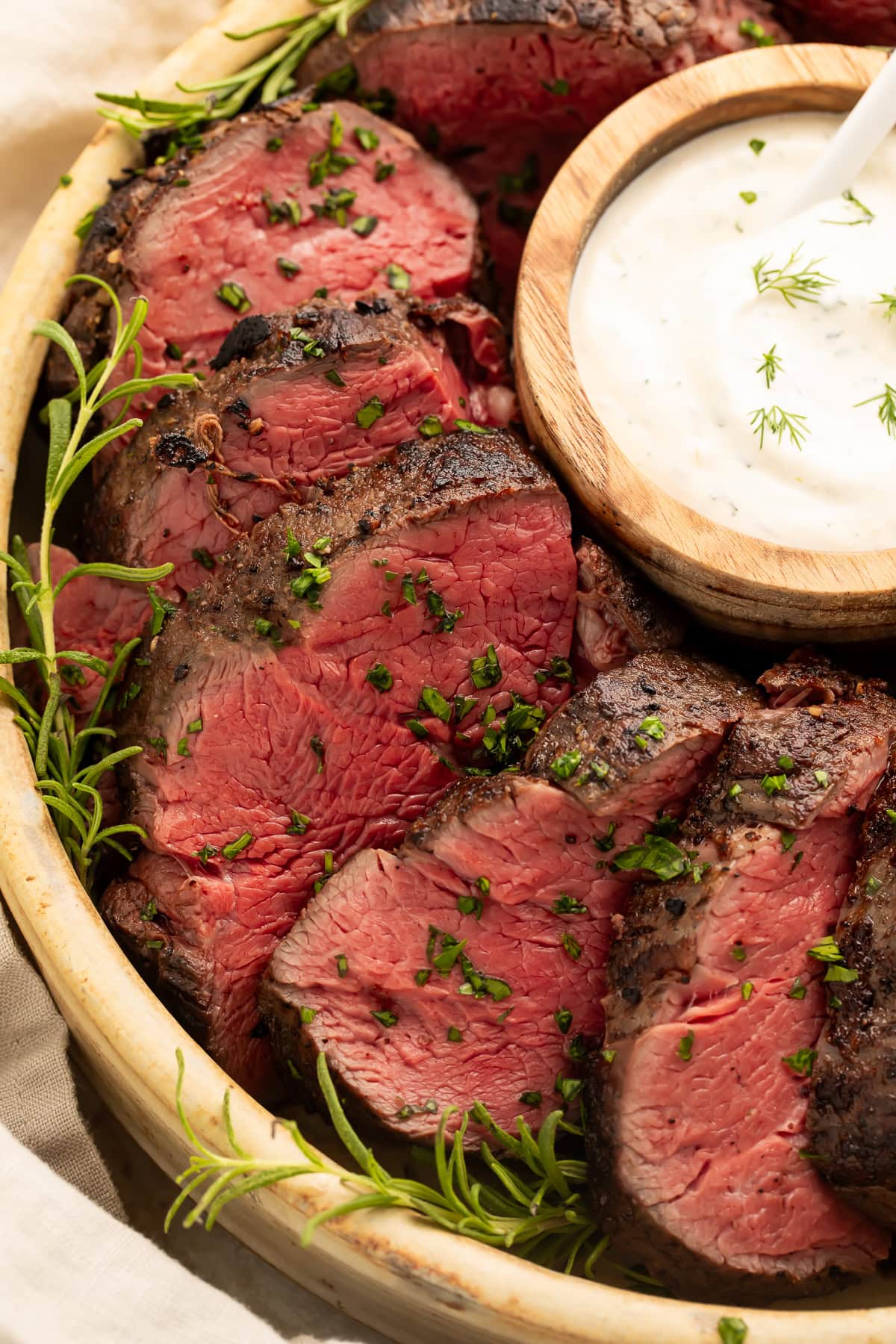
This beef tenderloin sous vide recipe is foolproof and incredibly tasty. Cooked low and slow in a precision water bath, then seared to a gorgeous golden crust, this tender, juicy tenderloin is pure luxury on a plate. Serve with either béarnaise sauce or horseradish sauce, and this will be a hit for holidays, special occasions, or whenever you want to impress without the stress!
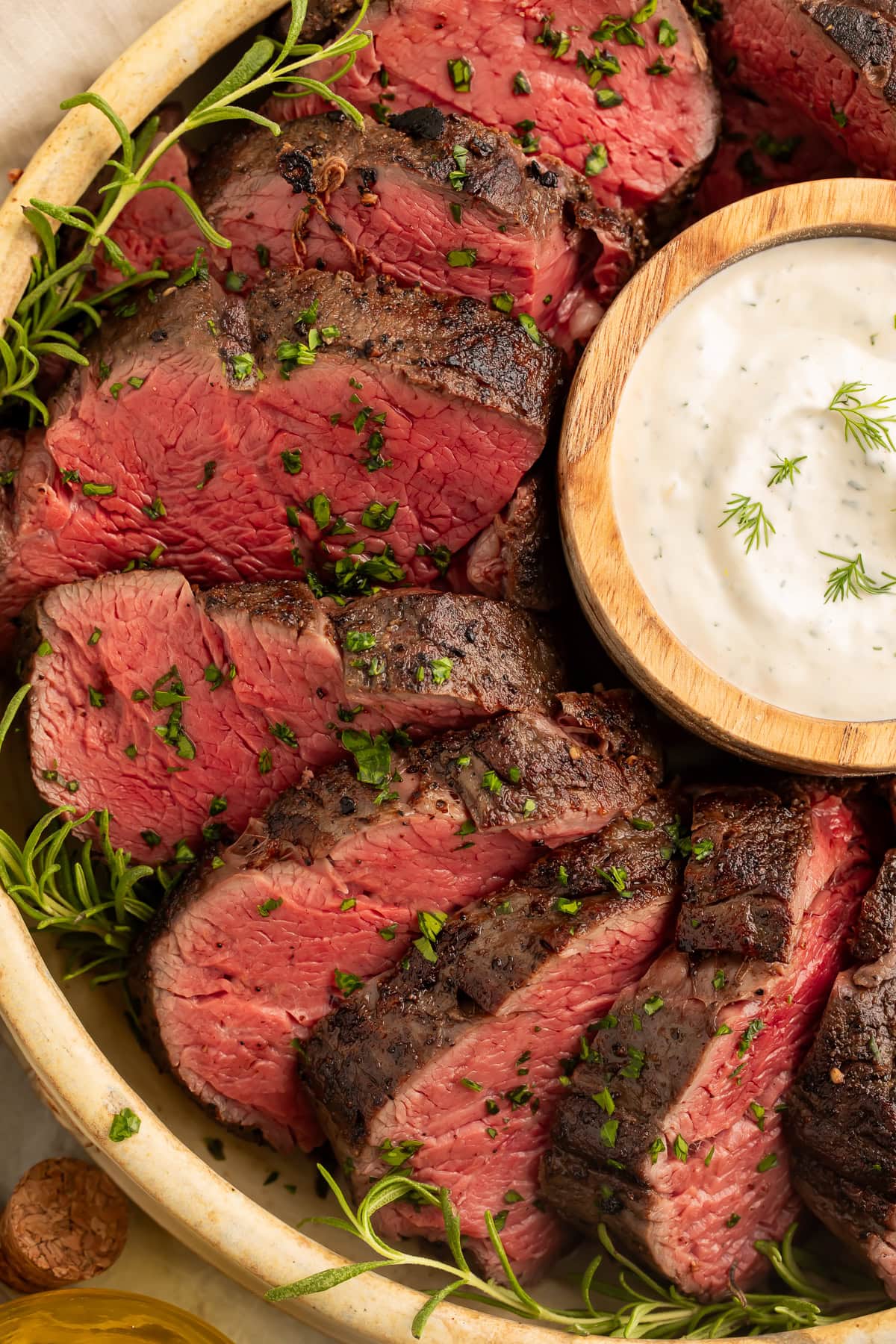
See recipe card below for full list of measurements, ingredients, and instructions.
Cheryl’s Note
When you set up your sous vide circulator and preheat the water bath, these are the temperatures to achieve the perfect sous vide beef tenderloin steak:
- 130°F to 131°F for perfect medium-rare
- 125°F for rare, 135°F for medium
- 140°F to 145°F for medium-well
Make sure you have enough water to cover the tenderloin completely, with the water level between the minimum and maximum fill lines on your circulator.
Why This Recipe is So Good
- This is foolproof luxury cooking – sous vide takes all the guesswork out of preparing an expensive cut like beef tenderloin. The water bath keeps the meat at your exact desired temperature, so you literally can’t overcook it. No more stress about ruining a $70 piece of meat!
- Because the tenderloin cooks in its own juices in a sealed bag, it stays incredibly moist and tender with concentrated beefy flavor. Then that quick cast-iron sear adds a gorgeous golden-brown crust with butter, garlic, and herbs that makes your mouth water. It’s the best of both worlds – tender interior meets crispy, flavorful exterior.
- This is surprisingly hands-off once you get it in the water bath. After seasoning and sealing the meat, the sous vide does all the work for 2-3 hours while you prep sides, set the table, or just relax. The final sear only takes a few minutes, so you can focus on entertaining your guests instead of babysitting dinner.
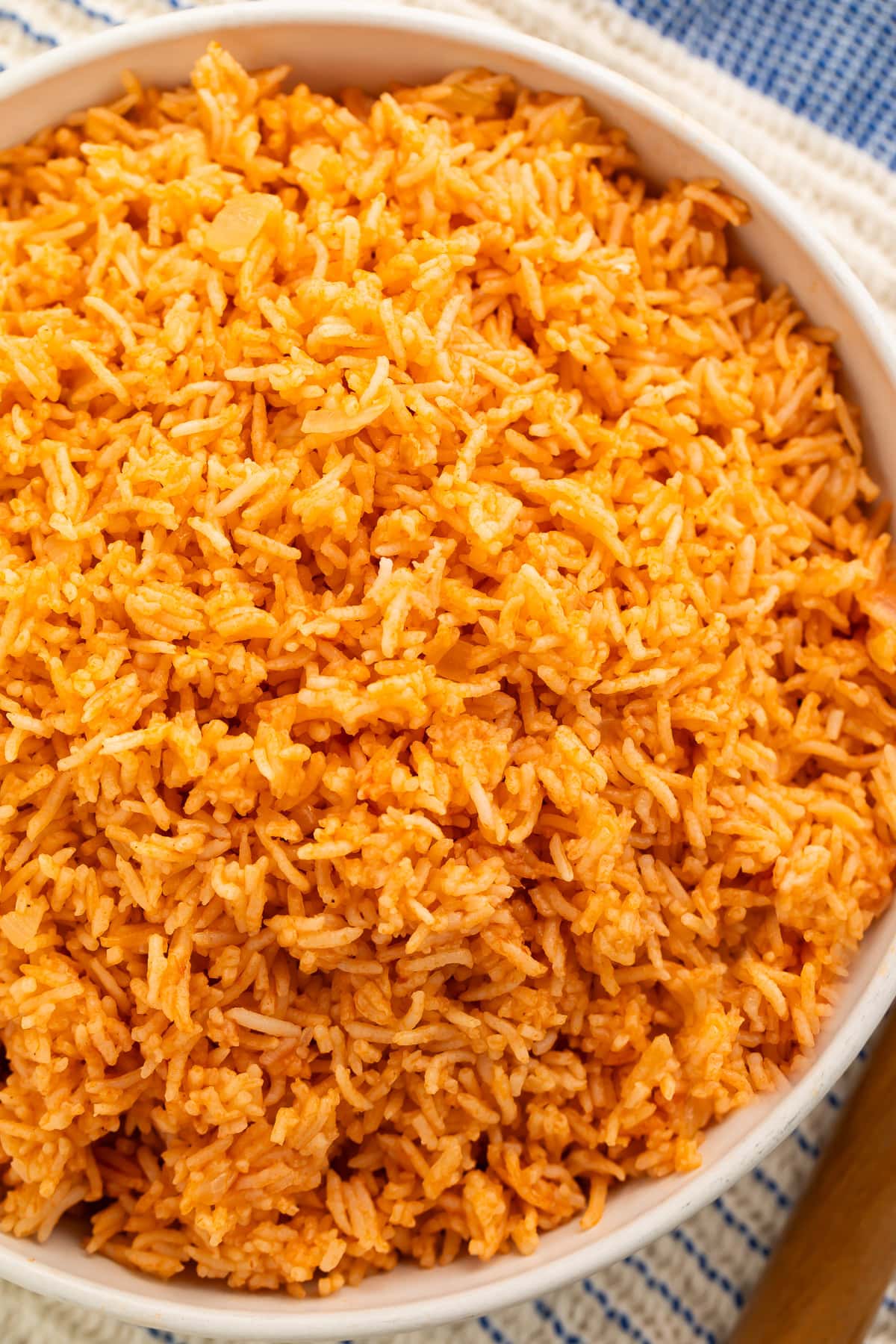
- Perfect for special occasions and holiday dinners – this is the kind of dish that makes people go “wow” when you slice into it. The presentation is stunning, the taste is incredible, and everyone will think you’re a culinary genius. Serve with these side dish ideas: Best EVER Risotto Recipe, Roasted Potato Salad, Air Fryer Kale Chips, and for after dinner, try a Simple Dessert Charcuterie Board.
More Recipes You’ll Love
What You Need to Know Before You Start
- Trim your tenderloin properly before cooking, by removing the silver skin (that tough, shiny membrane) and any excess fat. A properly trimmed tenderloin cooks more evenly and looks way more professional when you slice it. If you’re not sure how to do this, ask your butcher to trim it for you, or follow this quick online tutorial – it’s totally worth the extra few minutes.
- After trimming and seasoning your tenderloin, refrigerate it uncovered on a wire rack for several hours or overnight. This dry brining process seasons the meat throughout, helps it retain moisture during cooking, and creates a drier surface that sears beautifully. If you’re short on time, even 2-3 hours in the fridge makes a difference.
- After removing the tenderloin from the sous vide bag, thoroughly pat it dry with paper towels or a clean kitchen towel. Any moisture on the surface will steam instead of sear, preventing that crispy exterior. For an even better sear, chill the tenderloin in an ice bath for 5-10 minutes before searing – this gives you extra time to develop the crust without overcooking the interior.
- Watch your cooking time carefully. While sous vide is forgiving, don’t cook longer than 4 hours or the texture can become mushy. For a 2-3 pound tenderloin, 2-3 hours at 130-131°F is perfect for medium-rare (see above or recipe notes for all the temperature ranges). Start checking around 2 hours to avoid overcooking.
Recipe Variations
Make it with Different Herbs: Swap the rosemary and thyme for other sturdy herbs like oregano, sage, or bay leaves. Each brings a different flavor profile that’s equally delicious with beef!
Add a Flavor Rub: Before vacuum sealing, coat the tenderloin with a mixture of Dijon mustard, soy sauce, and olive oil, or try a coffee-peppercorn rub for a steakhouse-style crust.
Finish with a Pan Sauce: After searing, deglaze the hot pan with ½ cup of red wine or beef broth, scraping up all those flavorful browned bits. Reduce by half, whisk in 2 tablespoons of cold butter, and you’ve got an elegant pan sauce to drizzle over the sliced tenderloin.
Try Different Finishing Methods: Instead of pan-searing, finish the tenderloin on a smoking-hot grill for about 1 minute per side for gorgeous grill marks, or use a culinary torch for a quick sear that won’t raise the internal temperature at all.
Frequently Asked Questions
You most certainly can; use the water displacement method with heavy-duty freezer bags. Place the seasoned tenderloin in the bag, then slowly lower it into a pot of water, letting the water pressure push out all the air before sealing the top. This works just as well as vacuum sealing for sous vide cooking.
For medium-rare (the ideal doneness for beef tenderloin), set your sous vide to 130°F to 131°F. For rare, use 125°F. For medium, try 135°F. For medium-well, use 140°F to 145°F. The beauty of sous vide is that you can dial in your exact preferred temperature, and the meat will cook evenly throughout to that exact doneness.
Cook for 2-3 hours for perfect texture. You can go up to 4 hours without issues, but don’t exceed that, or the texture can become mushy. The great thing about sous vide is that once it reaches temperature (about 2 hours), you have a 2-hour window where the tenderloin stays perfect.
After sous vide cooking, immediately chill the sealed bag in an ice bath for 30 minutes, then refrigerate for up to 2 days. When ready to serve, bring to room temperature for 30 minutes, then sear as directed. This is perfect for holiday meal prep!
Classic pairings include roasted vegetables (asparagus, Brussels sprouts, or green beans), creamy mashed potatoes or au gratin potatoes, a fresh salad, and crusty bread. For sauces, horseradish cream, béarnaise (both are included in this recipe), or a red wine pan sauce are all incredible choices.
The best method is to slice the leftover tenderloin and warm it gently in a 300°F oven with a splash of beef broth, covered with foil, for about 10-15 minutes. You can also enjoy it cold – thin slices make incredible sandwiches!
More Sous Vide Recipes
- Sous Vide Chicken Breast
- Sous Vide Chuck Roast
- Sous Vide Pork Belly
- Simple Sous Vide Potatoes
- Sous Vide Flank Steak with Homemade Chimichurri
- Sous Vide Lobster Tails
- Garlic and Herb Sous Vide Turkey
- Sous Vide Prime Rib with Au Jus
- Oven-Finished Sous Vide Brisket
- Sous Vide Pork Tenderloin
- Sous Vide Pork Chops
- Sous Vide Chicken Wings
Making changes to a recipe can result in recipe failure. Any substitutions or variations listed are simple changes that I believe will work in this recipe, but results are not guaranteed.
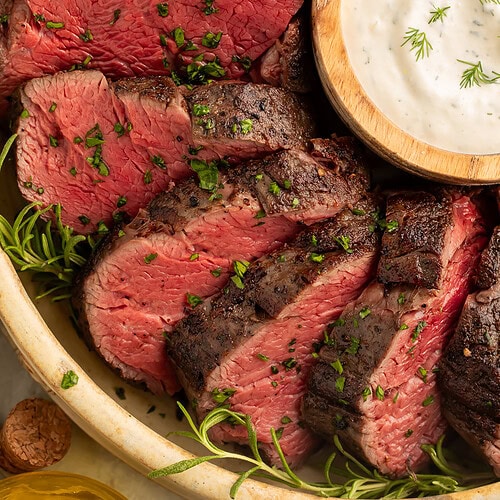
Sous Vide Beef Tenderloin (with 2 Sauces)

Equipment
- Sous vide immersion circulator
- Large container or pot for water bath
- Vacuum sealer with bags or heavy-duty freezer bags
- cast-iron skillet 10-12 inch
Ingredients
For the Beef Tenderloin
- 1 beef tenderloin 2 to 3 pounds, center cut, trimmed of silver skin and excess fat
- 2 to 3 tablespoons of your favorite seasoning blend or plenty of kosher salt and freshly ground black pepper
- 3 sprigs fresh herbs rosemary or thyme preferred
- 4 cloves garlic smashed
- 4 tablespoons unsalted butter
- 1 tablespoon neutral oil avocado oil, or ghee for searing
Horseradish Sauce
- 8 ounces sour cream
- ½ cup mayonnaise
- 1 tablespoon prepared horseradish
- 1 tablespoon fresh dill chopped
- 2 teaspoons dijon-style mustard
- 2 teaspoons white wine vinegar
- ¼ teaspoon sea salt
- 1 tablespoon green onion finely chopped optional
Bearnaise Sauce
- ½ cup butter 1 stick, cut into 4 pieces
- 4 large egg yolks
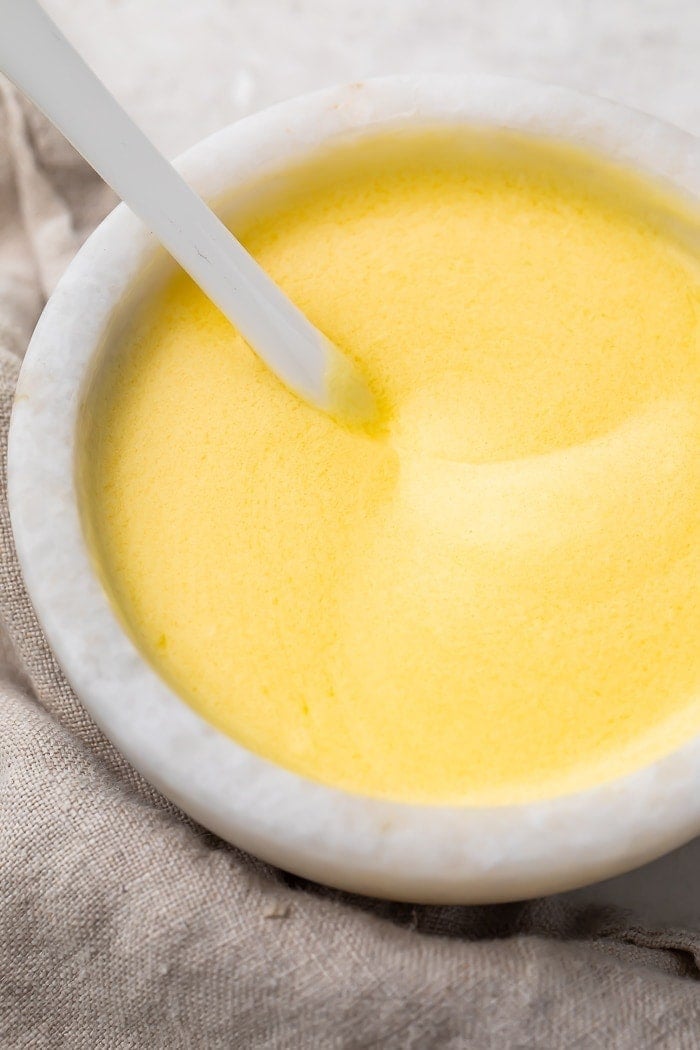
- ¼ cup heavy cream or whipping cream
- 1 tablespoon red wine vinegar
- ½ tablespoon fresh tarragon chopped, or ½ teaspoon dried
- 1 pinch salt

Instructions
Prepare the Sous Vide Beef Tenderloin
- Trim 1 beef tenderloin (2 to 3 pounds) of silver skin and excess fat.
- Season generously on all sides with 2 to 3 tablespoons seasoning blend OR plenty of kosher salt and black pepper.
- Optional: Place on wire rack over baking sheet and refrigerate uncovered 2 hours to overnight for dry brining.
- Place seasoned tenderloin in vacuum-seal bag with 3 sprigs fresh herbs (rosemary or thyme). Seal bag.
- Preheat sous vide water bath to 130°F to 131°F for medium-rare (or 125°F for rare, 135°F for medium, 140°F to 145°F for medium-well).
- Place sealed tenderloin in water bath and clip bag to side of container.
- Cook 2 to 3 hours. Do not exceed 4 hours.
- Remove the tenderloin from the bag and pat it completely dry with paper towels.
- Optional: Chill in ice bath 5 to 10 minutes before searing.
- Heat cast-iron skillet over medium-high heat until smoking. Add 1 tablespoon neutral oil.
- Sear tenderloin on all sides 1 to 2 minutes per side until golden-brown crust forms.
- Add 4 tablespoons butter and 4 cloves smashed garlic. Baste tenderloin with garlic butter 30 to 60 seconds.
- Transfer to cutting board and rest 5 minutes.
- Slice into ¾ to 1 inch thick medallions.
- Arrange on platter and drizzle with remaining garlic butter. Serve with horseradish cream or béarnaise sauce.
For the Horseradish Sauce
- Combine all ingredients in a mixing bowl and stir well.
- Chill for at least one hour.
For the Bearnaise Sauce
- Note: You can make the bearnaise sauce first and store it, covered, in an insulated cup (like a Yeti cup) to keep warm, or you can make it while the steaks are cooking.
- Place butter in 1-quart glass measuring cup or microwave-safe bowl. Microwave, covered with a paper towel, on high until almost melted, approximately 45 seconds to 1 minute. Remove butter from microwave and stir until completely melted.
- If eggs are not already separated, separate them now. Place yolks in one small bowl and set aside egg whites for another purpose. Beat yolks well with whisk or fork, then add to butter and stir well.
- Add cream and tarragon to egg mixture. Stir well.
- Microwave mixture, uncovered, on high until just slightly thick, approximately 1 to 2 minutes. Stop every 20 seconds to stir mixture with fork. Do NOT continue microwaving after mixture has thickened – it will break.
- Remove sauce from microwave. Stir in vinegar and salt.
- Keep in insulated container until ready to serve.
Approximate Information for One Serving
Nutrition Disclaimers
Number of total servings shown is approximate. Actual number of servings will depend on your preferred portion sizes.
Nutritional values shown are general guidelines and reflect information for 1 serving using the ingredients listed, not including any optional ingredients. Actual macros may vary slightly depending on specific brands and types of ingredients used.
To determine the weight of one serving, prepare the recipe as instructed. Weigh the finished recipe, then divide the weight of the finished recipe (not including the weight of the container the food is in) by the desired number of servings. Result will be the weight of one serving.
Did You Make This Recipe?
Tag @40aprons on Instagram and be sure to leave a review on the blog post!













Never Miss A Meal!
New Recipes Straight To Your Inbox
A curated selection of our most recent recipes, delivered straight to your inbox once a week.
Thank you!
You have successfully joined our subscriber list.